




Assisted Reproduction - Thrive IVF Fertility
Male Fertility
Solutions
Both MESA and TESE are effective and commonly used procedures that provide hope for many individuals and couples facing male fertility challenges. Our experienced Oklahoma Thrive IVF team will guide you through the process, answer your questions, and support you every step of the way.



MESA/TESE Procedures: Sperm Retrieval for Fertility Treatments
MESA (Microsurgical Epididymal Sperm Aspiration) and TESE (Testicular Sperm Extraction) are procedures designed to retrieve sperm directly from the male reproductive system, often used when sperm is not present in the semen due to blockages, low sperm production, or other medical conditions.
What is MESA?
MESA (Microsurgical Epididymal Sperm Aspiration) involves retrieving sperm directly from the epididymis, the small tube where sperm is stored and matures.
-
How It Works:
Using a microscope for precision, a tiny needle is inserted into the epididymis to gently extract sperm.
-
Why It’s Used:
MESA is typically used when sperm is being produced but cannot reach the semen due to a blockage or other issues.
What is TESE?
TESE (Testicular Sperm Extraction) involves taking a small tissue sample directly from the testicle to find and extract sperm.
- How It Works: A minor surgical procedure is performed to obtain a tissue sample from the testicle. The sample is then processed to isolate sperm.
- Why It’s Used: TESE is helpful when there are very few sperm available or when sperm cannot be retrieved from the epididymis.


How does MESA/TESE work with IVF?
The sperm retrieved from MESA or TESE is often used in combination with IVF (In-Vitro Fertilization) and ICSI (Intracytoplasmic Sperm Injection). In ICSI, a single sperm is injected directly into an egg, enhancing the chances of fertilization.
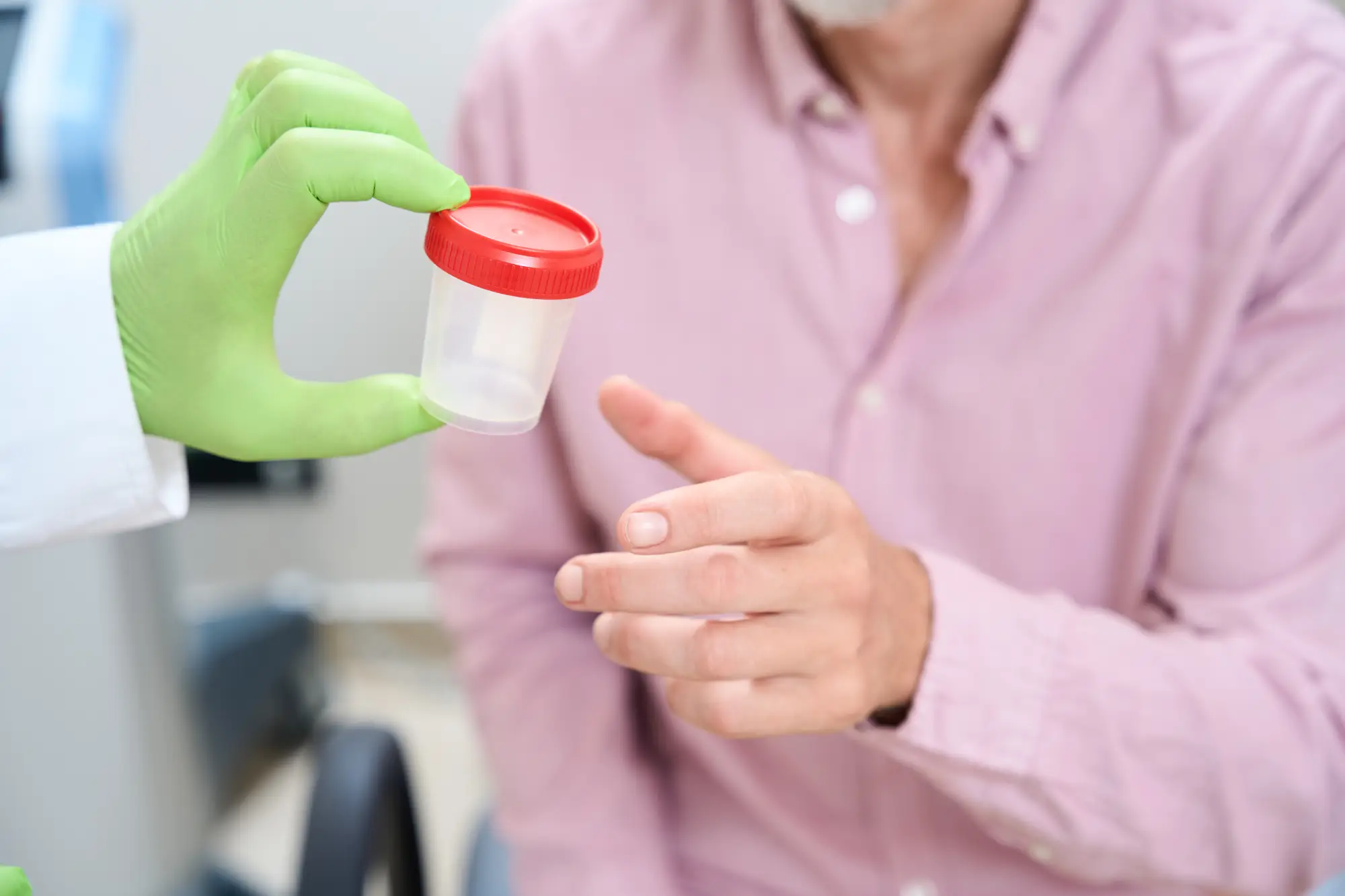
Who Might Need MESA/TESE?
Both MESA and TESE offer effective solutions for overcoming male fertility challenges, providing a pathway to parenthood for many individuals and couples. Our skilled Oklahoma Thrive IVF team will guide you through the entire process, from consultation to retrieval, ensuring personalized care tailored to your specific needs.

Men with blockages in the
reproductive tract
reproductive tract

Those with low sperm production

Individuals who have had a vasectomy or other surgeries affecting sperm transport
MESA/TESE Procedures:
Understanding Sperm Retrieval for Fertility Treatments
MESA (Microsurgical Epididymal Sperm Aspiration) and TESE (Testicular Sperm Extraction) are specialized procedures used to retrieve sperm directly from the male reproductive system when it’s not available in the semen due to various medical conditions.
Here’s a simple breakdown of each procedure:
MESA
(Microsurgical Epididymal Sperm Aspiration):
- MESA is used when sperm is present in the epididymis (a small tube that stores and carries sperm) but isn’t reaching the semen.
- During this procedure, a tiny needle is used to extract sperm from the epididymis.
- This is done under a microscope to ensure precision and to retrieve the best quality sperm possible.
TESE
(Testicular Sperm Extraction):
- TESE is used when sperm is not available in the epididymis or when sperm production is very low.
- In this procedure, a small tissue sample is taken directly from the testicle, and sperm is extracted from this tissue.
- It’s a simple, minor surgical procedure that is often done under local or general anesthesia.
FAQ's
Why Are MESA and TESE Used?
- These procedures are helpful for men who have blockages or other issues that prevent sperm from appearing in their ejaculate.
- They provide an option for biological parenthood when traditional methods aren’t possible.
FAQ's
How Do MESA and TESE Work With IVF?
- Sperm retrieved from MESA or TESE can be used in combination with in-vitro fertilization (IVF) and intracytoplasmic sperm injection (ICSI), where a single sperm is injected directly into an egg to facilitate fertilization.
Both MESA and TESE are effective and commonly used procedures that provide hope for many individuals and couples facing male fertility challenges. Our team will guide you through the process, answer your questions, and support you every step of the way.


Embryologist Role in MESA/TESE:
After a MESA/TESE procedure, the role of the embryologist is crucial in handling and processing the retrieved sperm to ensure the best chances of successful fertilization during fertility treatment. Here’s what an embryologist does after these procedures:
1
Step
Sperm Examination and Assessment:
- The embryologist carefully examines the sperm sample under a microscope to assess the quality and quantity of sperm retrieved.
- They look for live, motile sperm that can be used for fertilization. This step is critical because the quality of sperm can vary depending on the individual’s condition.
2
Step
Sperm Preparation:
- Once viable sperm are identified, the embryologist prepares the sperm for use in fertilization.
- This often involves separating healthy, active sperm from other cells and debris to ensure the best possible sample is used.
3
Step
Fertilization via ICSI (Intracytoplasmic Sperm Injection):
- In most cases following MESA/TESE, the embryologist will use a technique called ICSI.
- In ICSI, a single healthy sperm is carefully injected directly into an egg using a fine needle. This helps bypass any issues with sperm movement or ability to penetrate the egg on its own.
4
Step
Monitoring Embryo Development:
- After ICSI, the embryologist monitors the fertilized eggs (now called embryos) in the lab to ensure they are developing correctly.
- They observe the embryos over several days, checking for proper cell division and growth to identify the healthiest embryos for transfer.
5
Step
Embryo Transfer or Freezing:
- Once the embryos reach the appropriate stage, the best quality embryos are selected for transfer into the uterus.
- Any additional healthy embryos can be frozen (cryopreserved) for future use.
The work of the embryologist is highly specialized and essential in turning the retrieved sperm into viable embryos, ultimately helping individuals and couples achieve their goal of parenthood. Their expertise in handling and nurturing these early stages of life makes a significant impact on the success of fertility treatments.
Start Your Journey With Us Today!
Start your journey to parenthood with Thrive IVF Fertility where compassionate care and cutting-edge technology come together to help you achieve your dreams.

Frequently Asked Questions
1. What causes male infertility and how is it diagnosed?
Male infertility can be caused by a low sperm count, poor sperm motility (movement), abnormal morphology (shape), blockages, hormonal imbalances, or other reproductive health issues. The first step in diagnosis is typically a semen analysis performed at a fertility clinic to assess sperm count, quality, and movement. More detailed tests and medical evaluations may follow based on results.
2. What are MESA and TESE, and when are they used?
MESA (Microsurgical Epididymal Sperm Aspiration) and TESE (Testicular Sperm Extraction) are procedures that retrieve sperm directly from the male reproductive system when healthy sperm isn’t present in the ejaculate due to issues like blockages or very low sperm production. These can provide viable sperm for fertility treatments such as IVF with ICSI.
3. How does sperm retrieval help in fertility treatments?
Sperm retrieved through MESA or TESE can be used in advanced fertility treatments, particularly IVF with ICSI (Intracytoplasmic Sperm Injection), where a single sperm is injected directly into an egg to facilitate fertilization especially helpful in cases of severe male factor infertility.
4. Can lifestyle changes improve male fertility?
Yes. Factors like smoking, excessive alcohol use, poor diet, stress, and lack of exercise can negatively affect sperm quality. Adopting a healthier lifestyle including balanced nutrition, regular activity, and reducing stress and harmful habits may help improve sperm parameters and overall fertility outcomes.
5. Are there treatments available if sperm count is very low or absent?
When sperm count is extremely low or there’s no sperm in the semen (azoospermia), fertility specialists can sometimes retrieve sperm directly from the testes using surgical techniques like TESE. If successful, these retrieved sperm can be used with ICSI to achieve fertilization during an IVF cycle.